H5N1 bird flu (a strain of the highly pathogenic avian influenza) is the most serious type of bird flu that mainly affects birds including wild, farmed and pet birds. It can also affect other animals including marine mammals and scavengers such as foxes, dogs and cats.
In June 2026, Australia had its first confirmed detections of H5N1 bird flu in migratory seabirds on Australia’s southern coast. Since then, H5N1 bird flu has spread to resident bird species including scavenger birds such as magpies and ravens, and some mammals including long-nosed fur seal, bottle nosed dolphin and red fox. The virus spreads rapidly in contaminated water and through the movements of infected birds and mammals.
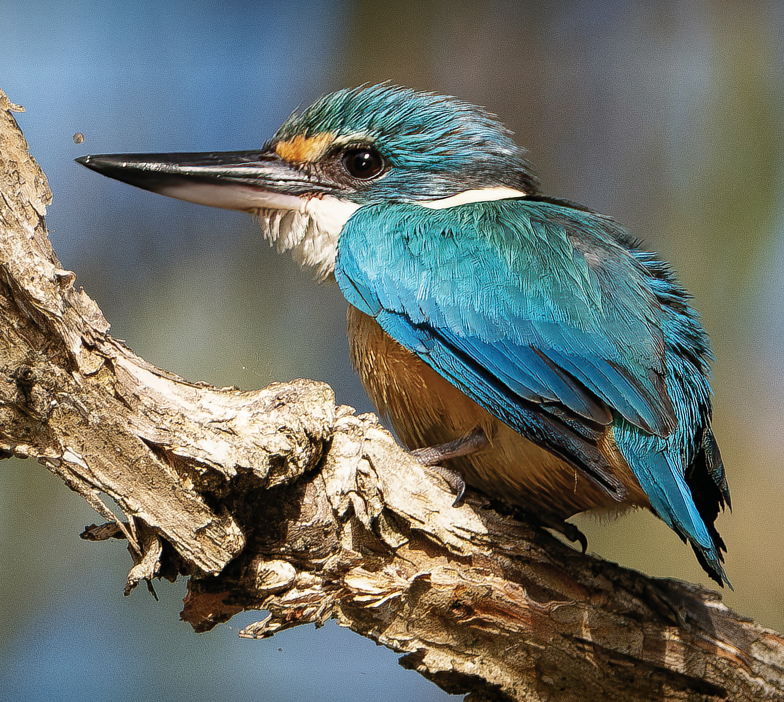
An outbreak of H5 bird flu could have devastating consequences for Australia’s wildlife, biodiversity and agriculture industries. Early action helps reduce impacts on our wildlife and natural environments. Australia is home to many endemic species that are found nowhere else in the world. This means the potential impacts of H5 bird flu are hard to predict. Threatened species are particularly vulnerable and pose a greater extinction risk.
While all Australian birds are at some risk of H5 bird flu, not all birds are susceptible to the virus. The Federal Government has released the H5 Bird Flu Risk Analysis to better understand the potential impacts of the virus on Australia’s native birds and mammals. In summary, this analysis identifies which birds are most at risk of extinction in the event of an H5 bird flu outbreak.
Ways you can help limit the spread of H5 bird flu
Worried about bird flu? Bird flu is frightening but we are not powerless. There is hope. Simple actions you can do to help make a difference:
- Protect bird habitat: wetlands, beaches and other places birds depend on. Healthy habitat helps birds stay healthy and resilient.
- Let birds feed naturally. DON’T feed wild birds. Feeding encourages birds to congregate and increases the risk of disease spreading.
- Give birds space. Keep your distance from bird flocks. Avoid disturbing birds while they are feeding or resting and keep dogs under control around wildlife.
- Clean mud and soil from your footwear after visiting wildlife areas. Simple hygiene can help reduce the spread of disease between places.
Most garden birds are at low risk of H5 bird flu but here’s what you can do to help keep them safe all year round:
- Keep backyard bird baths clean; replace the water daily, scrub and disinfect them regularly.
- Avoid feeding wild birds. Instead, provide alternative food sources by planting a diverse range of locally native plants.
- Keep pets away from sick or dead birds by having dogs on a lead where required, especially around birds and wildlife, and cats housed safely indoors to prevent them from hunting birds and wildlife.
What to do if you suspect bird flu in a dead or sick animal?
Common signs of bird flu in birds (and other animals): difficulty standing, walking or flying; breathing problems, fatigue, unusual posture and swollen head or limbs.
- AVOID contact sick or dead wildlife and their environment. Observe from a distance, and do not allow pets to touch or eat sick or dead wildlife.
- RECORD what you see, the location the animal was found, and take photos or video, if possible, without approaching the bird or other animal. Bird flu can only be confirmed through laboratory testing. Samples must be collected by a veterinarian or government animal health officer.
- REPORT any unusual illness or death in wild birds and other wildlife immediately via the Emergency Animal Disease Hotline on 1800 675 888.
Details that will assist the response include:
- Date and time of sighting
- Location (GPS pin, nearby roads, or landmarks)
- Type or description of the animal
- Estimated number of sick or dead animals and other animals at the site
- Note any unusual signs of the disease.
Useful Resources:
https://www.agriculture.gov.au/campaigns/birdflu
BirdLife Australia’s H5 Bird Flu Resource Centre has more information on what to look for and the latest news:
https://birdlife.org.au/h5n1-avian-influenza