
Many would be aware that Kooyongkoot Creek was renamed Gardiners Creek in honour of John Gardiner. But who were the Gardiners? Local historian, Sarah Craze, puts us in the picture…
There are few men in Victorian history to have their name so ubiquitously stamped on an area like John Gardiner.
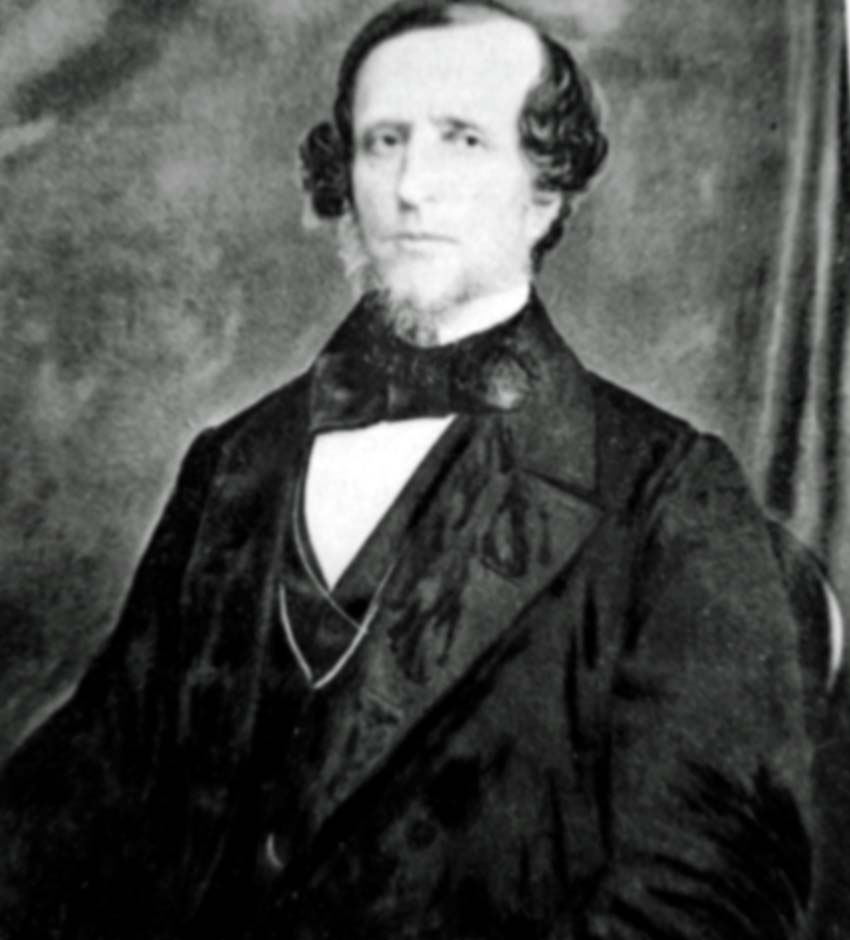
Gardiner held the lease over Boroondara for only three years (1837-40).
He is most widely known in Victoria for the cattle drive he, John Hepburn and Joseph Hawdon ran from New South Wales. They brought around 500 cows overland to the new Port Phillip settlement to supplement the sheep brought up from Van Diemen’s Land by other settlers.
Most of what is known about this ambitious journey does not come from Gardiner himself, as he never left behind any personal diaries or memoirs. Instead, Hepburn and Hawdon both wrote about the event some years later for Joseph Gellibrand, who ran a personal project of collecting up recollections of early pioneers. The long passage of time helped to gloss over some of the more controversial aspects of this trip, such as the alleged mistreatment of the young Aboriginal boy they used as a guide. Their stories do not align on what became of him. Both also failed entirely to mention that among the party was a woman, Sarah Head, who was tasked with cooking and caring for the men with limited water in a wild and untamed environment. With her husband, Sarah would later become the housekeeper of Gardiner’s home in what would become Hawthorn. Brave and resourceful, nothing around Boroondara is named after Sarah.
John Gardiner was what historians now call a ‘capitalist-settler’. It can be hard to believe today, but capitalism was once a new and revolutionary concept. It emerged as a direct rejection of the wealthy, corrupt landowning class who constantly drove countries into debt through ill-advised wars, then levied heavy taxation on the lower classes to pay for it. When John Gardiner came of age in Dublin in the late 1810s, capitalism was emerging as a moral philosophy that encouraged its disciples to strive for wealth accumulation through careful investment, frugality and self-dependence. This was combined with evangelical religious principles that provided moral justification and atonement for whatever they had to do to reach these aspirations.
John Gardiner decided Van Diemen’s Land was the key to his capitalist ambitions.
He brought with him his young wife Mary Eagle (20), who insisted she would only go if her parents and brothers came too. One must remember that Van Diemen’s Land in 1823 was primarily a convict settlement, with a small, predominantly male, settler class.
This was a smart move by Mary, who would have very few women of her social standing to befriend.
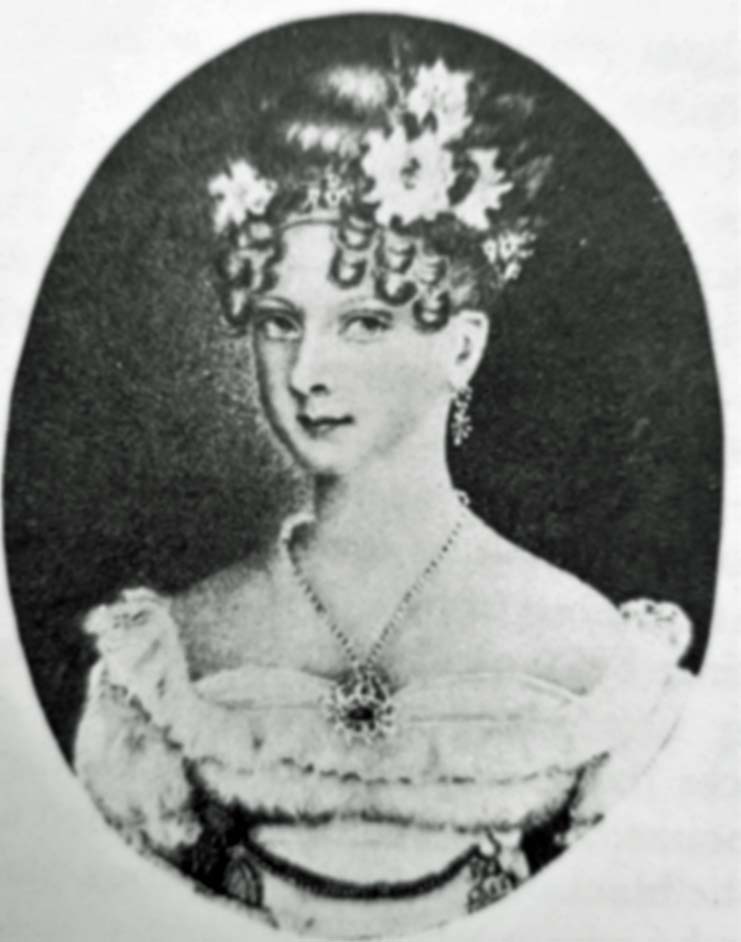
John Gardiner had no farming experience, and most of the arable land available was already taken. What followed was a calamitous decade fraught by poor decision-making and investments on John’s part and numerous disasters befalling Mary’s relations that deeply affected her mental health. Evidence that John Gardiner contributed to Governor Arthur’s notorious Black War also exists.
For many years, Mary tried to make the best of her circumstances. She grew to love Van Diemen’s Land but just as she was settled, John would decide (without consulting her) that there was money to be made somewhere else. Even Gardiner’s admiring biographer Leslie Wilmoth conceded that John’s treatment of his wife left much to be desired. By the time John Gardiner decided his fortune lay in Port Phillip, the couple barely spoke to each other.
John Gardiner never established a church, school, or other benevolent institution in Boroondara or Melbourne. His only documented public contribution in Port Phillip was his involvement in establishing a bank that would facilitate loans to land speculators during the land boom. The bank went under in the crash of 1840. After this, John left Mary and their daughter in Melbourne for his land holding in Yarra Glen, where he stewed on his misfortune until the Gold Rush brought the land prices back up. He quickly sold up, left for London, never to return. He married his cousin as soon as he learned of Mary’s death.
Today, Gardiner’s name adorns around two dozen places in Boroondara alone, including the creek, a few roads, a railway station, a pub in Malvern and an apartment block in Glen Iris. There’s no question that being the first settler to drive cattle overland from New South Wales was a significant accomplishment. Whether it’s enough to warrant such recognition of the man is for you to decide.
SARAH CRAZE
You can read more about John and Mary Gardiner in Mary Gardiner: the Reluctant Pioneer of Boroondara – available to download (https://www.sarahcraze.com/book)